
Hermosa Beach's Q2 Serious Crime Stayed Flat Versus Last Year
Second quarter serious crime stayed flat year over year, but cases of assault rose sharply. General trends remain downwards year-to-date.
Hermosa Beach has quietly commissioned a voter survey on city funding and services — a move that typically signals a ballot tax measure is in the works.

Some Hermosa Beach residents are receiving email invitations to participate in a city-commissioned opinion survey covering quality of life, city facilities and funding — a process that typically precedes a decision about whether to place a tax measure on the ballot.
The survey, which the city estimates will take around 10 minutes to complete, is being conducted by True North Research and Dynata, two independent research firms contracted by the city. Individual responses will remain confidential and will not be shared with city staff. The invitation was signed by City Manager Steve Napolitano and instructs recipients not to forward the link, as each invitation can be used only once.
The city has not publicly confirmed how many residents received invitations or disclosed the survey's specific questions.
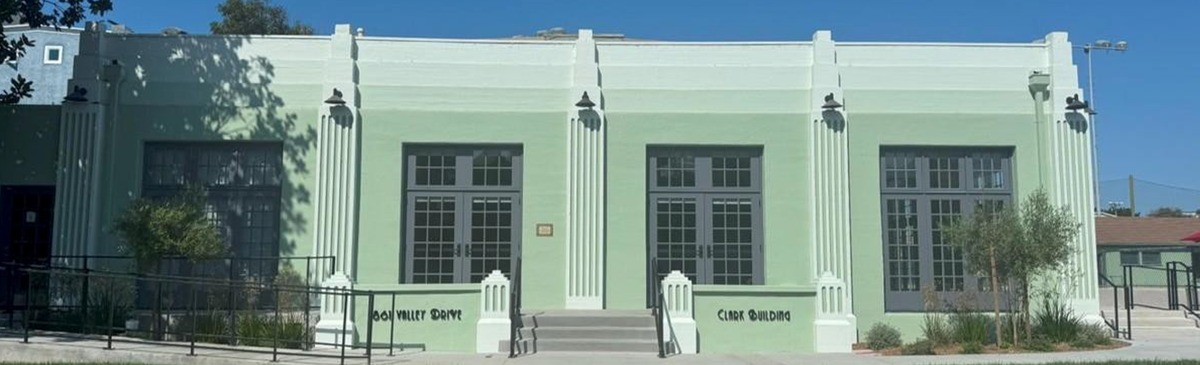
The timing is significant. Hermosa Beach is contending with a looming structural budget deficit and faces key decisions on two major capital projects: the construction of a new city yard to replace the aging Public Works facility on Valley Drive, and pier replacement, estimated at $44.5 million, and City officials have previously acknowledged that a public financing mechanism may be required to address these challenges. There are also operating finance pressures, with the impending renegotiation of fire and lifeguard services expected to see a push by LA County for significant cost hikes.
Residents have faced three principal tax levers when it comes to city revenue:
Transient Occupancy Tax — the so-called hotel or bed tax paid by visitors staying in the city's hotels and permitted short-term rentals — has been raised twice by ballot measure. Voters approved an increase from 10% to 12% in November 2015, and a further rise from 12% to 14% in November 2019, with the higher rate taking effect January 1, 2020. TOT is currently one of the city's most significant revenue streams. It's relatively efficient too - all of it is paid by visitors, and all of it goes into city funds, unlike sales tax receipts.
Sales tax has proved more resistant to voter approval. A three-quarter-cent general transactions and use tax measure placed on the November 2022 ballot failed, with 45% in favor and 55% opposed. The council tried again in November 2024 with an identical measure — Measure HB — which failed by a wider margin, 43% to 57%. A third attempt in 2026 has been floated by at least one councilmember.
Property tax is the third lever available to the city, though Hermosa Beach has not recently pursued a general or special property tax measure. A bond measure to fund pier replacement or a new city yard, for example, would likely appear on residents' property tax bills as a fixed annual assessment.
Where Hermosa Beach's money comes from
General fund revenue · FY 2025–26 adopted budget
What’s in “other revenue”?
This category covers several smaller revenue streams that the city does not report as separate line items in its headline breakdown. The largest component is the Utility Users Tax (UUT) — a 6% levy on electricity, gas and water, and 5.5% on cable and telephone — which contributes roughly $2.8M annually. Also included are intergovernmental transfers and state allocations, interest earned on city investments, miscellaneous reimbursements, and smaller fee categories not captured elsewhere.
The results of the current survey are expected to be summarized by the research firms before being presented to the city.
 Hermosa Review
 Hermosa Review
 Hermosa Review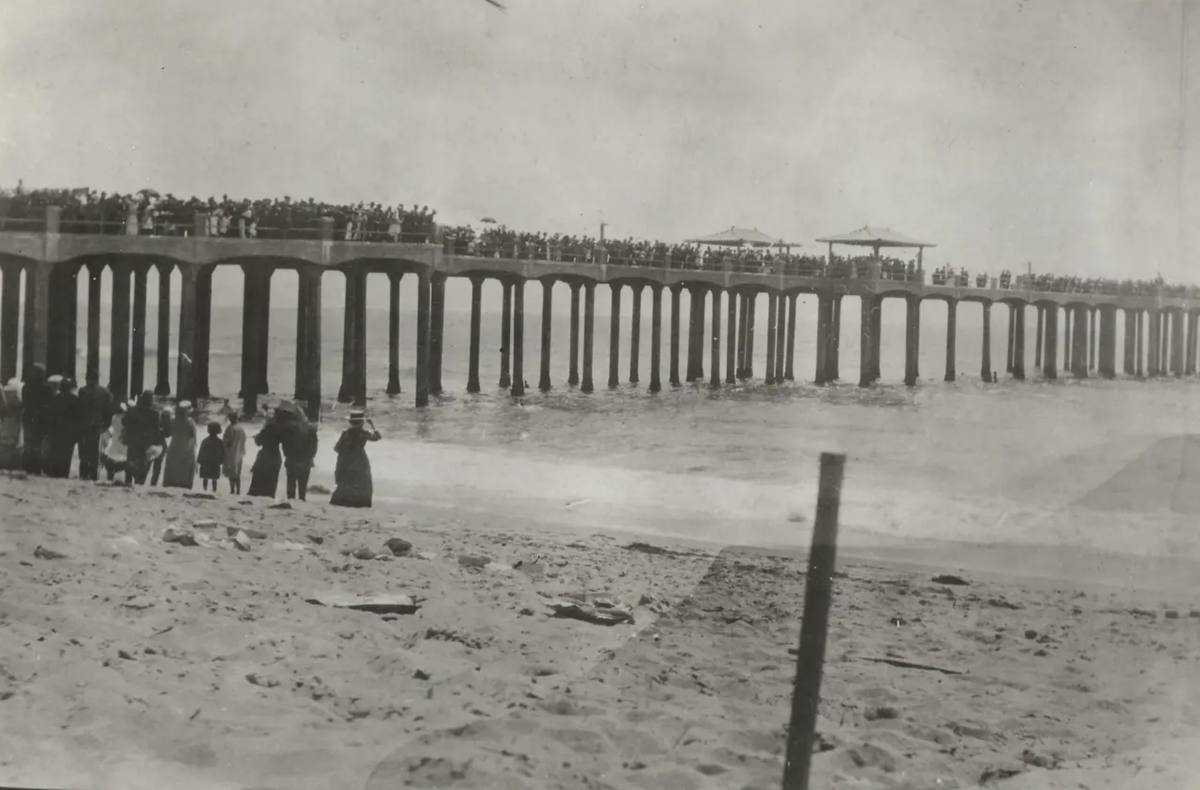

The Parks and Recreation Advisory Commission voted Tuesday night to form an ad hoc pool subcommittee, on a tight mandate and a six-month clock. Neighboring cities' pool projects, and Hermosa Beach's own dog park campaign, tell us that the real work is all still to be done.

Tuesday night's City Council meeting had a bit of everything: a heartfelt tribute to one of Hermosa's most familiar civic voices, a long-simmering fight over vacation rentals that finally came to a head, and a feel-good update from a beloved local club celebrating its 90th year.

Facing a budget hole that could hit $4.2 million, Hermosa Beach is turning to the very thing it spent a decade banning: short-term rentals

Hermosa Beach is making it easier to build condos. The Planning Commission voted Tuesday to drop a longstanding permit requirement and speed up approvals for smaller projects, following new state housing rules.
By Hermosa, for Hermosa. Join The Review today.