
Hermosa Beach's Q2 Serious Crime Stayed Flat Versus Last Year
Second quarter serious crime stayed flat year over year, but cases of assault rose sharply. General trends remain downwards year-to-date.
A $3.2 million structural deficit has been sitting under Hermosa Beach's budget for five years, masked by pandemic relief, vacancy savings, and unspent carryforward. With all three now exhausted, the council inherits a problem its predecessors chose to defer.

The Hermosa Beach City Council opened its FY2026-27 budget season Tuesday night with a presentation that left little ambiguity about the city's fiscal position: a $3.2 million structural deficit in the general fund, no surplus carryover for the first time in years, and a set of hard choices that city staff said can no longer be deferred.
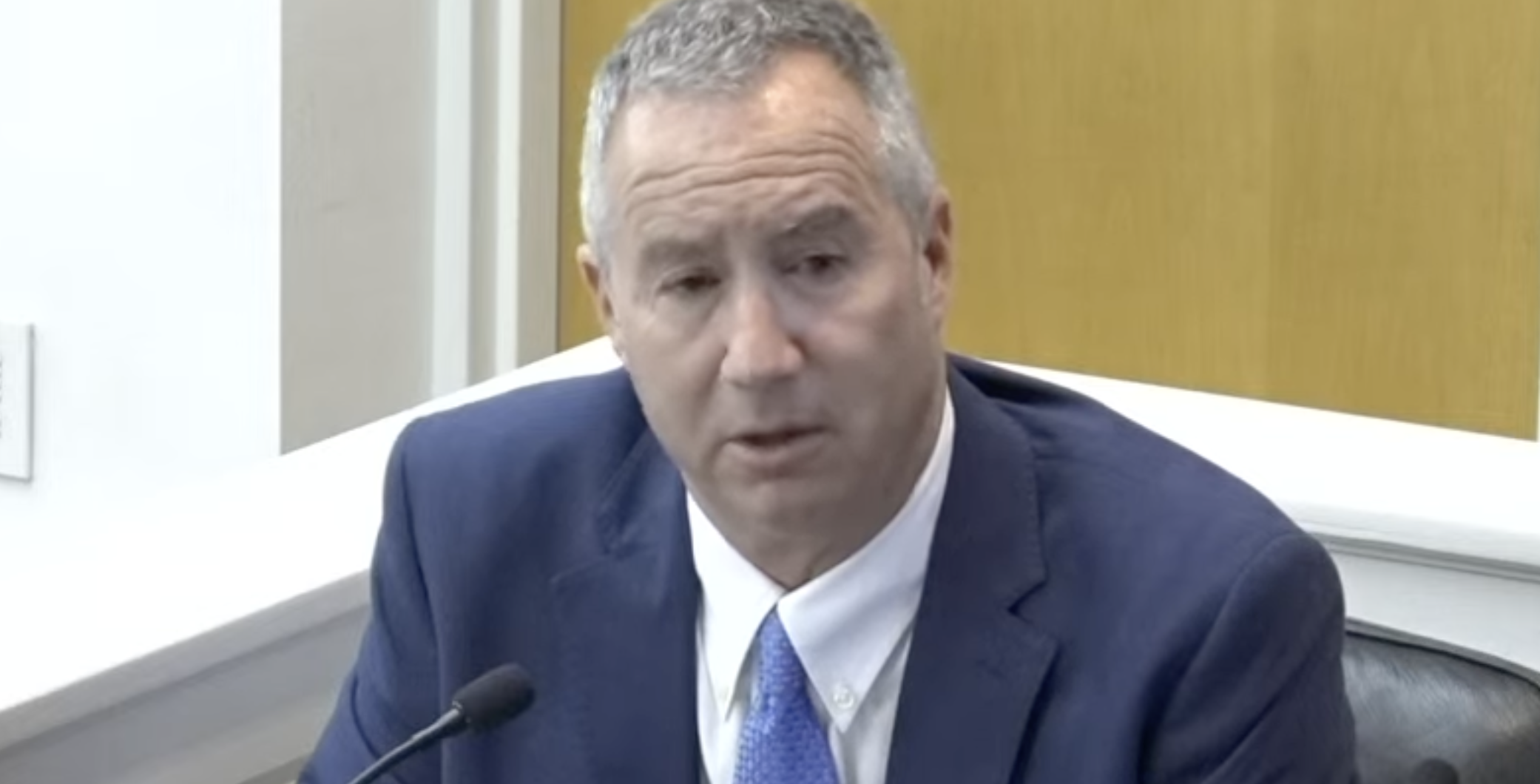
"The city's current fiscal path is unsustainable," City Manager Steve Napolitano told the council. "Hard choices will be proposed to fill the gap through a combination of spending cuts and revenue enhancements. Doing nothing is no longer an option."
Napolitano took over as City Manager last year, after a majority of the council lost confidence in his predecessor Suja Lowenthal. She subsequently resigned. This budget cycle is the first since he was handed a permanent contract in December, and he appeared ready to grasp the fiscal challenges he has inherited as he addressed the council this week.
The session was the first of seven scheduled budget meetings before the council is expected to adopt a final budget on June 23, ahead of the July 1 fiscal year start.
Finance Director Brandon Walker walked the council through what he described as years of structural imbalance masked by one-time windfalls. The city received nearly $5 million in federal ARPA COVID relief funds post-2020, realized between $1 million and $1.5 million annually in vacancy savings as positions went unfilled, and benefited from delayed capital projects that freed up cash. Those sources are now exhausted.
"Revenue was never keeping up with expenses over the past five years," Walker said. "We were just lucky enough to have one-time windfalls every year to cover those deficiencies."
The vacancy savings picture illustrates the problem. While the dollar amounts have stayed roughly flat, the share of the total personnel budget they represent has shrunk as wages and benefits have grown. Walker called it "a melting ice cube" that the city cannot responsibly rely on to balance its books going forward. The goal, he said, is full staffing, which eliminates the savings entirely.
The carryover surplus, which has funded the city's capital improvement program for years, has fallen steadily from $5.8 million in FY2021 to a projected zero at the end of FY2026. Walker was direct about what that means: there is no money at the end of this fiscal year to divert to capital projects.
"There is not a single dollar at the end of FY26 that we can divert towards funding our CIP," he said.
The updated five-year forecast projects general fund expenditures rising from roughly $57 million this fiscal year to nearly $71 million by FY2030-31. Revenues are projected to reach about $67 million over the same period. The gap widens each year.
Costs are growing at 4 to 6 percent annually, Walker said, while revenues are growing at 2 to 4 percent. Property tax, the city's largest revenue source at roughly 40 cents of every dollar collected, is effectively capped at 2 percent annual growth under Proposition 13. Sales tax and transient occupancy tax are projected to grow 1 to 3 percent. The math is straightforward, Walker said: "Easy math right there."
THE HERMOSA REVIEW BREAKDOWN
Hermosa Beach · FY27 budget
General fund operating budget, FY26 to FY31 ($ millions)
Annual structural deficit shown in red between the lines. Costs are projected to grow 4 to 6 percent annually; revenues 2 to 4 percent. Cumulative deficit FY26–FY31: $19.3M.
Source: City of Hermosa Beach FY27 Budget Study Session staff presentation, April 28, 2026. The Hermosa Review.
The projections do not include any funding for major capital needs including the city yard, the pier, or a police station upgrade. The $20 million city yard project and the pier, estimated at $44.5 million for full replacement, represent additional financial pressure on top of the operating deficit. Walker said those will be covered in depth during the May 28 CIP study session.
Walker flagged the county contracts as a significant variable. The county fire contract, which expires in December 2027, carries a proposed 26 percent increase phased in over three years, adding roughly $2 million in annual cost at full implementation. Hermosa Beach transitioned away from its own fire department to LA County in 2018.
The lifeguard and beach maintenance contract, which expires in March 2027, represents a far larger potential exposure. The county is seeking full cost recovery on both services. For lifeguards, that means escalating from the current arrangement, under which the city sends the county approximately $400,000 per year in net parking revenue from Structure C, to $3.4 million per year once phased in over three years. Beach maintenance would add another $1.5 million annually.
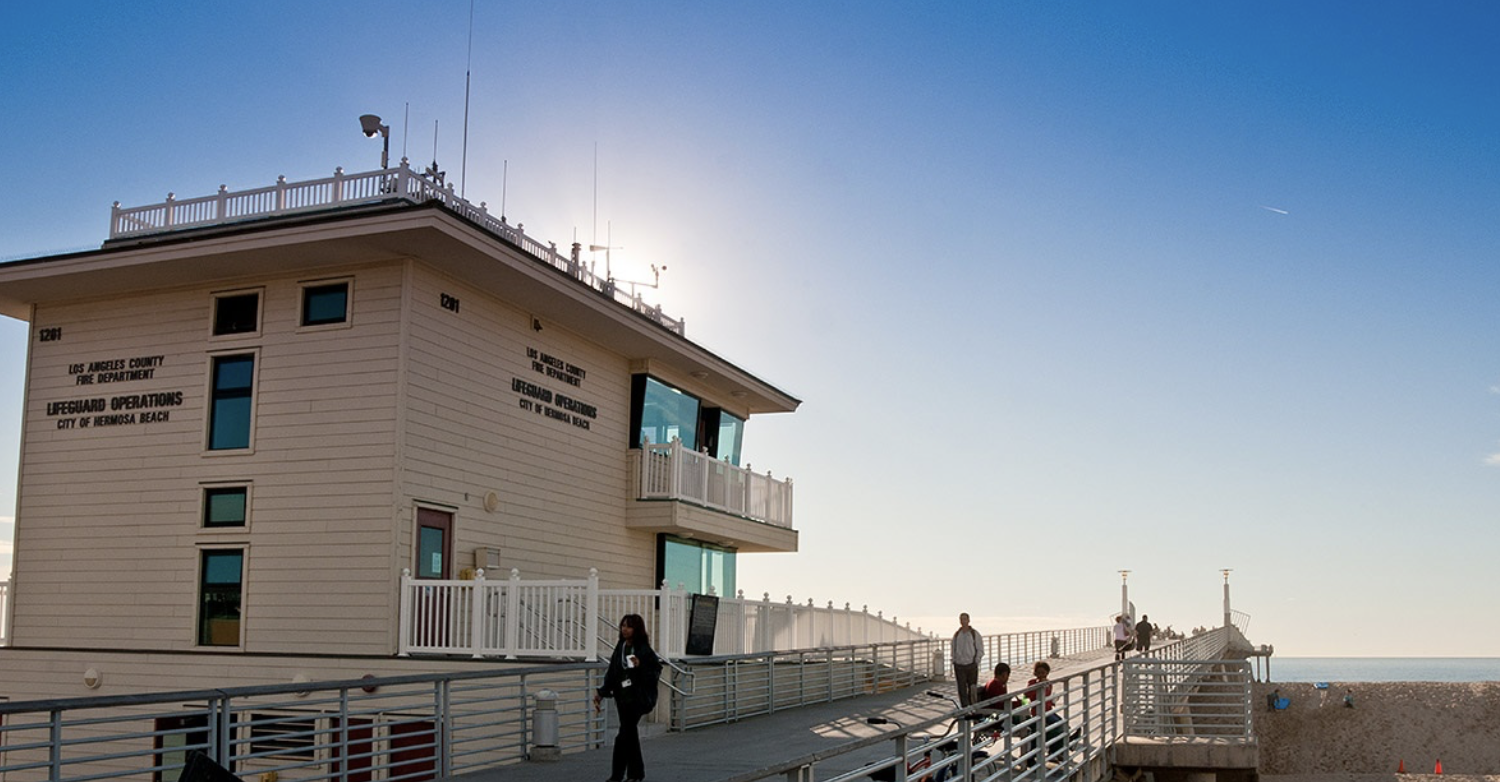
Combined, the county is seeking roughly $5 million per year for services the city has historically received for a fraction of that cost. Walker acknowledged the lifeguard and beach maintenance figures are not yet embedded in the five-year projections because the outcome of negotiations is unknown. Councilmember Dean Francois pressed for clarity on the city's negotiating position. Napolitano confirmed the city intends to push back.
"We really could say we don't want to pay anything like other cities locally and get the county to absorb that funding," Francois said. "We're working on that," Napolitano replied.
Walker organized his presentation around three buckets: actions already taken, near-term options requiring council or voter direction, and longer-term structural choices.
On the revenue side, the city has already raised parking meter rates by a dollar per hour in lots and structures, generating an estimated $1.5 to $2 million in additional annual revenue, and increased parking citation rates for approximately $500,000 more. Walker said early data suggests parking activity has held steady despite the increases, with summer results pending.
The city is also implementing a new enterprise resource planning system for finance and HR, with efficiency savings to be quantified in the May department presentations. Business license enforcement in the city's permitting system is expected to generate roughly $100,000 annually.
A cost of service fee study was also presented to the council Tuesday night as a separate agenda item. If the council adopts the recommended cost recovery measures, Walker said, the city could collect up to $1 million annually that is currently being subsidized by the general fund.
Staff is also developing 10 percent reduction targets for every department, to be presented in detail at the May 12 council meeting. Walker said the goal is to make the case that the city has put its own house in order before asking the community to consider tax increases.
Walker outlined a menu of options for council consideration, ranging from near-term to long-term.
On transient occupancy tax, he noted that the city's current 14 percent rate could be raised via ballot measure. Several neighboring cities are evaluating similar moves, he said, citing Redondo Beach at 13 percent and Costa Mesa. He also referenced the pending Koerner court ruling's practical effect: with the city's STR ban now unenforceable in the coastal zone, the city could begin collecting TOT on short-term rentals operating there. Walker estimated roughly 100 active properties would generate approximately $1 million annually in ongoing TOT revenue, with a one-time retroactive collection potential of around $5 million.
A sales tax measure was also presented as an option. Each quarter-cent increase generates approximately $1 million annually. Walker acknowledged the city has gone to voters twice on sales tax and failed both times. He said the intention is to demonstrate fiscal discipline first. A proposed sales tax increase failed at the ballot in 2024 by an ever larger margin than it did in 2022, with opponents citing a lack of trust in the city's spending plans together with a series of infrastructure projects that ran significantly over budget.
Walker also raised the possibility of dynamic parking pricing, a dedicated stormwater fee to replace the current $700,000 annual general fund subsidy, and a Proposition 218 reassessment of the Lighting and Landscape District, which has not been updated since 1986 and currently draws a $400,000 annual general fund subsidy. Together those two programs cost the general fund more than $1 million per year.
Longer-term options discussed included targeted upzoning for hotel and mixed-use development, prioritizing high-sales-tax-per-square-foot businesses in economic development strategy, and reviewing the use and lease terms for city-owned properties including Lot A and the adjacent storage lot.
Council flagged overtime spending, which has grown to more than $2.5 million annually, as an area requiring tighter management. Walker confirmed that department heads have approval authority over overtime within their budgets rather than each instance going to the city manager, and said the May 12 department presentations will include specific overtime justification and reduction strategies.
Walker said police overtime is largely driven by minimum staffing requirements for the entertainment district, state-funded DUI enforcement operations reimbursed at roughly $45,000 to $50,000 annually, officer training programs, and special events cost recovery. He said the CSO team's parking enforcement work was also a factor but characterized it as protecting one of the city's most important revenue assets. Police overtime exceeded $1 million last year.
Francois asked whether comp time could substitute for overtime payments. Walker said it varies by bargaining unit and that employees cannot be required to accept comp time in lieu of overtime pay under current agreements.
Several residents spoke during the two public comment periods, with a tone that was notably constructive.
Resident Ira Ellman, speaking before the presentation, called the $555,000 city yard consulting contract approved by the council in January a mistake made without a realistic plan to fund the project. He recommended forming a citizen subcommittee to identify revenue opportunities and called for tighter overtime pre-approval requirements.
Resident Tony Higgins, speaking virtually, said he found himself agreeing with Ellman, which he described as unusual. He credited City Manager Napolitano and Walker for bringing "real information" to the public about a fiscal situation that had been building for years. "There does seem to be a turnaround," he said.
Jon David struck a cautious note of optimism. "With those problems, there's opportunities that it's forcing us to do things that we haven't wanted to do for a long time," he said, citing delays in development approvals as a source of foregone revenue the city could address without raising taxes.
Jim Holtz urged the city to pursue visitor-paid revenue sources before any resident-facing tax increases and raised concern that a sales tax hike could drive large-purchase retail customers to neighboring cities. He argued the city should immediately create a registration and TOT payment pathway for STR operators in the coastal zone, separate from the unresolved enforcement question, so revenue collection can begin now.
Courtney Ryan, Hotel Hermosa General Manager, suggested the city contact Airbnb directly to arrange platform-level TOT collection, bypassing homeowner billing entirely. She supported dynamic parking pricing and a temporary TOT increase tied to the 2028 Olympics.
Laura Pena called for the city to pursue economic development as a fiscal strategy rather than relying primarily on fee increases and cost recovery. She urged the council to build public trust before returning to voters with a sales tax measure and proposed a short-term resident and business advisory group focused on identifying private investment opportunities and removing barriers to development.
The council approved staff's request to push the formal budget delivery date to May 30. The extension allows department-level feedback from the May 12 presentations to be incorporated before the city manager presents the full proposed budget.
The next budget event is a joint Public Works and Parks and Recreation Commission meeting on May 5, focused on the capital improvement program. Department-by-department presentations to the council follow on May 12, with additional budget hearings scheduled May 26, a CIP study session May 28, and a final hearing June 9 before the anticipated June 23 adoption.
Walker summarized the challenge plainly: the city's spending needs are growing faster than its revenue, the one-time tools that masked that gap are gone, and the decisions that have been deferred for years will need to be made in the next few months.
Tough times ahead, it surely seems.

The Parks and Recreation Advisory Commission voted Tuesday night to form an ad hoc pool subcommittee, on a tight mandate and a six-month clock. Neighboring cities' pool projects, and Hermosa Beach's own dog park campaign, tell us that the real work is all still to be done.

Tuesday night's City Council meeting had a bit of everything: a heartfelt tribute to one of Hermosa's most familiar civic voices, a long-simmering fight over vacation rentals that finally came to a head, and a feel-good update from a beloved local club celebrating its 90th year.

Facing a budget hole that could hit $4.2 million, Hermosa Beach is turning to the very thing it spent a decade banning: short-term rentals

Hermosa Beach is making it easier to build condos. The Planning Commission voted Tuesday to drop a longstanding permit requirement and speed up approvals for smaller projects, following new state housing rules.
By Hermosa, for Hermosa. Join The Review today.