Tuesday's agenda charts opposite paths for two sports at the same facility. Pickleball is poised for expanded access after a million-dollar renovation. Basketball hopes to rescue hoops removed after an unscheduled safety review
The police department is already running overtime patrols to assist with public safety concerns, including problems with e-bikes. Now council will decide whether to provide that effort with new resources.
Hermosa Beach faces a $548K budget shortfall at midyear, with projected spending increases vs. original forecast outpacing revenue gains 3-to-1. Staff proposes one-time funds to close the gap for the third straight year.
City Weighs Options to Put More Boots on the Strand
The police department is already running overtime patrols to assist with public safety concerns, including problems with e-bikes. Now council will decide whether to provide that effort with new resources.
In 2025, HBPD conducted 21 traffic enforcement operations, 11 including e-bike enforcement on the Strand and Pier Plaza, resulting in 267 citations and 11 e-bike impounds.
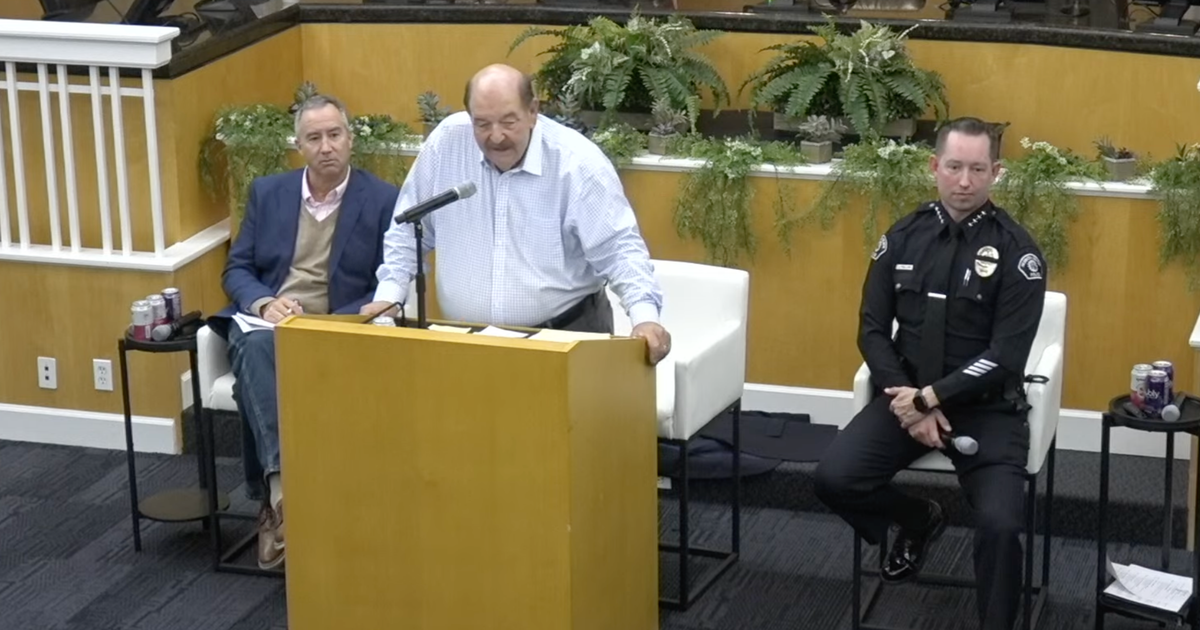
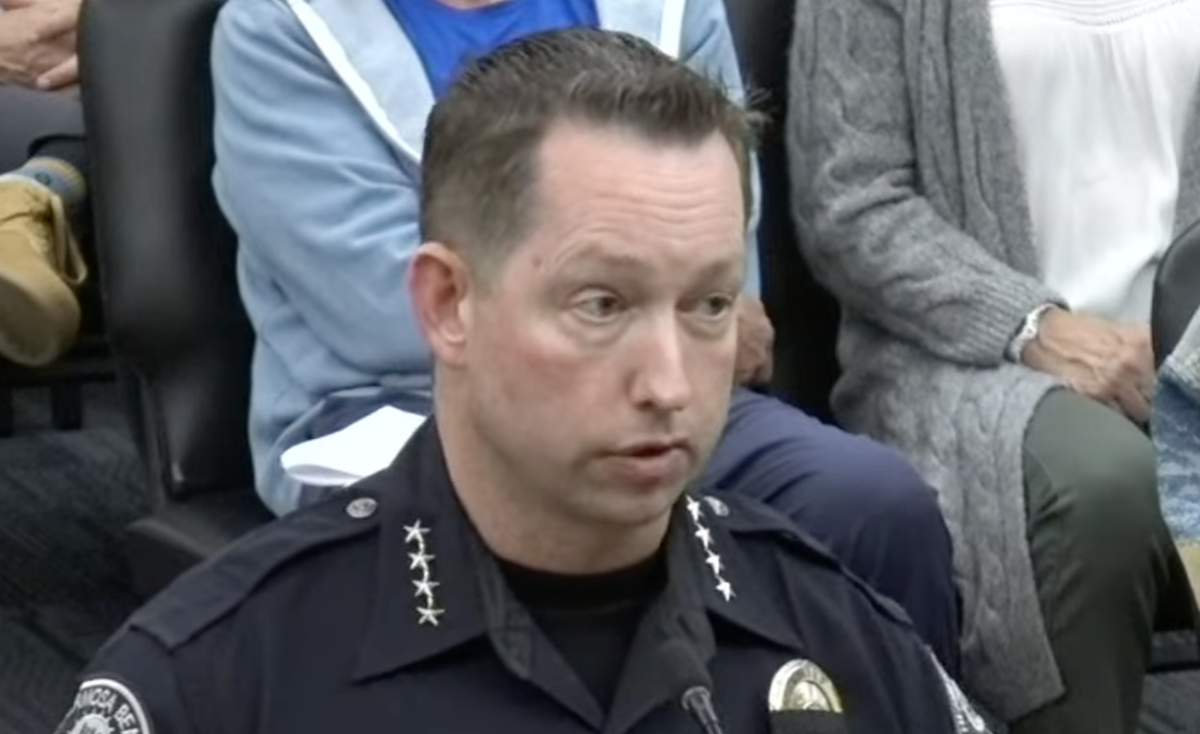
Hermosa Beach Police Department will present City Council with four staffing models on Tuesday aimed at increasing public safety presence on the Strand, beach, and city parks, a direct response to years of resident complaints about e-bikes and reckless riding on the city's most heavily used public space.
The options range from roughly $104,000 to nearly $197,000 per year. No vote will be taken Tuesday; a council majority would need to request the item return as an 'action item'.
One central tension is one the city has been circling for years: e-bikes are prohibited on the Strand when operated under electric power but permitted when pedaled. Enforcing that distinction in real time is, as staff acknowledges, "subjective, momentary, and difficult to clearly articulate."
The discussion coincides with a mid-year budget review that highlights a financial shortfall, with city employment contract costs and property tax deficits outpacing revenue increases from fees.
Enforcement is already ramping up
In 2025, HBPD conducted 21 traffic enforcement operations, 11 including e-bike enforcement on the Strand, resulting in 267 citations and 11 e-bike impounds. In the first ten weeks of 2026, the pace accelerated: 17 operations, nine Strand-specific, producing 167 citations, 105 for bike and e-bike violations on the Strand.
That surge is not an accident. Since February, HBPD has already been assigning officers and community service officers to the Strand on overtime, effectively piloting what the report now labels Option 1.
The four options
Option 1 (Staff's recommendation): Overtime for existing personnel. Two police officers and two CSOs would each work eight-hour shifts, totaling 32 hours per week. Estimated annual cost: $103,876 to $141,720. Staff recommends a six-month trial with pre- and post-surveys. The appeal is trained, supervised personnel already within the department's accountability structure. The risk is overtime fatigue, which staff proposes to manage through a rotating schedule.
Option 2: Contract code enforcement officers. Two contracted officers, 32 hours per week, at $133,120 annually, though that excludes potential equipment and technology costs. The operational complications are significant: contract officers cannot conduct traffic stops, would need access to police databases and report-writing systems, raise liability and supervision questions, and would require meet-and-confer negotiations with bargaining units that staff warns could take months.
Option 3: A full-time Park Ranger. A new city position within the police department's Community Services Division, 40 hours per week, at $131,620 in salary and benefits plus $65,248 in first-year outfitting (radios, body cameras, beach vehicle), totaling roughly $197,000 in year one. The salary is benchmarked to Manhattan Beach's equivalent position. A ranger would carry Penal Code Section 832 enforcement authority and build institutional knowledge over time, but the role comes with ongoing pension obligations and would cover multiple public spaces, not just the Strand.
Option 4: Change nothing. HBPD continues periodic enforcement using existing resources and state grant funding. No additional cost, but the report is candid about the perception risk.
The underlying policy challenge remains: the municipal code's pedal-versus-electric distinction creates an enforcement gray area that no staffing model fully resolves. Staff's recommended six-month trial of Option 1 is the most conservative path, seemingly both in cost and institutional disruption. Whether council views that as prudent or insufficient will depend on how much weight members give to enforcement data already in hand versus the community perception that more needs to be done. Oh, and the nagging issue of that budget shortfall.
Tuesday's agenda charts opposite paths for two sports at the same facility. Pickleball is poised for expanded access after a million-dollar renovation. Basketball hopes to rescue hoops removed after an unscheduled safety review
Hermosa Beach faces a $548K budget shortfall at midyear, with projected spending increases vs. original forecast outpacing revenue gains 3-to-1. Staff proposes one-time funds to close the gap for the third straight year.
A year-long structural assessment of the Hermosa Beach pier comes to City Council Tuesday — with a cost-benefit analysis that could reframe how the city thinks about the structure's future.