

City Council Eases Land Value Recapture Fees, Aims to Spur Downtown Development
Council supports Planning Commission decision to backtrack on 'failed experiment'
Parade support from City Council is wrapped in discussions about trust and financial transparency at the Chamber of Commerce

The Hermosa Beach City Council approved up to $51,000 in city funding Tuesday night to keep the St. Patrick's Day Parade alive, but not before councilmembers and residents raised pointed questions about the Chamber of Commerce's financial management and whether taxpayers should be subsidizing an organization that critics claim has lost its way.
The council also approved a three-year agreement with the Chamber for Fiesta Hermosa and other events, but inserted the right to cancel or amend the contract at annual reviews.
Chamber CEO Michelle Crispin acknowledged the organization is struggling and said scrutiny of its finances is warranted.
"Questions about fiscal management are fair and not wholly unwelcome, believe it or not," Crispin told the council. "We are actively putting together stronger financial oversight and controls in place. We're committed to transparency moving forward."
The Chamber lost $100,000 in 2025 and $125,000 in 2024, Crispin confirmed under questioning from Councilmembers.
"The numbers don't lie," Crispin said.
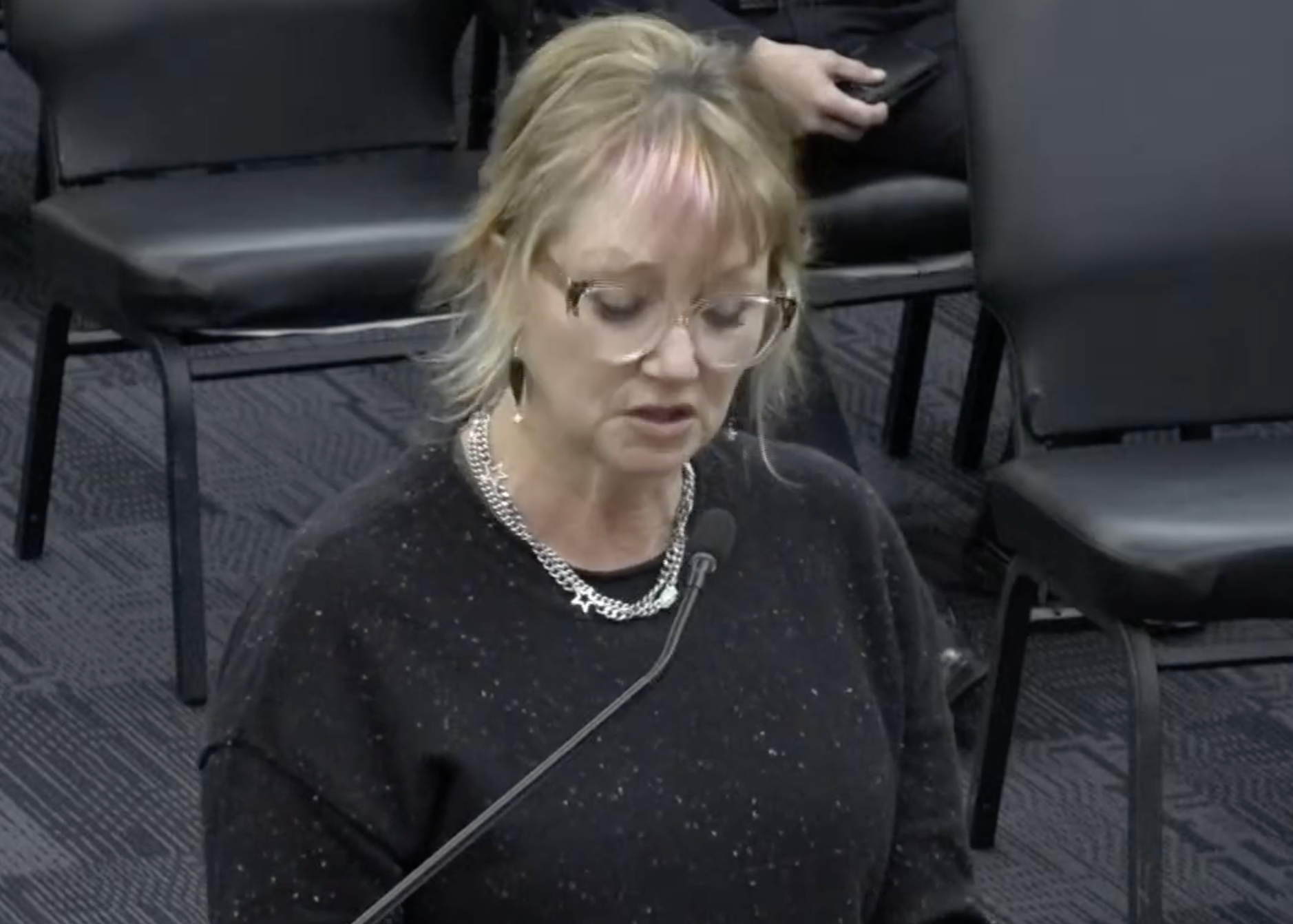
Speaking about the Chamber Foundation (the entity that is technically responsible for the delivery of the St. Patrick's Day parade and the Hermosa For The Holidays event) Crispin said:
"The foundation is in the process of also hitting reset. There's been a change of leadership there and a renewal of energy, hopefully, to try and resuscitate it."
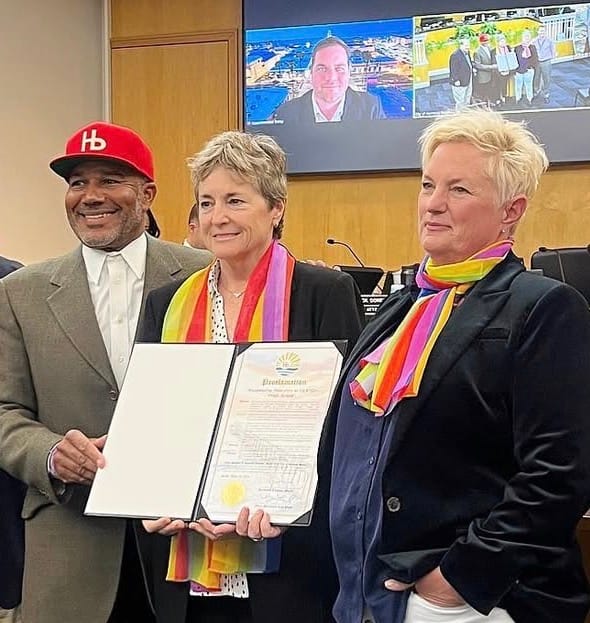
It is understood that the Chamber Foundation is currently operating without a permanent Treasurer following recent resignations. The President is local resident Katie Vernon, and the interim Treasurer since last week is her wife, Dr. Arlene Vernon. Crispin herself acts as the Foundation's executive director, following the recent resignation of local resident Liz Tyndorf. Tyndorf herself was only in that job officially for a few weeks, according to Secretary of State filings.
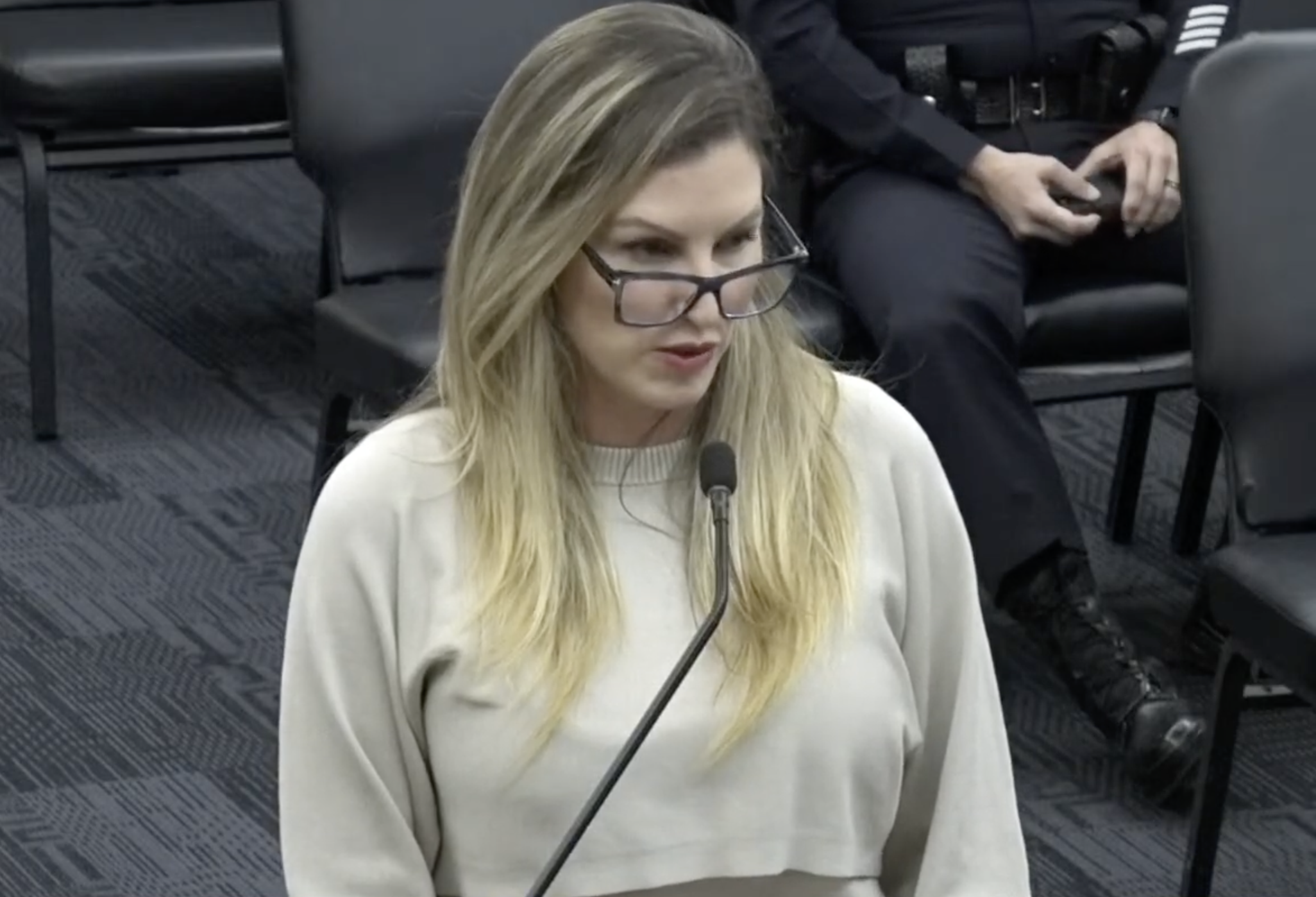
Erika Newman, the Chamber's new volunteer Vice Chair of Finance and acting Chairman, told the council she joined in October and has spent three months conducting a detailed review of the organization's accounts.
"My overarching goal is to build trust with you on behalf of the Chamber," she said.
"My priorities this year are, number one, to ensure the completeness and correctness of financial reports. Number two, provide these financial reports to you, the Board of Directors, and anyone else who may ask for these reports, just in the spirit of transparency."
"I will provide 100 percent transparency about the Chamber's financial status, and there is nothing to hide. I do welcome collaboration from anyone from the City, from the community. We sure do need your help."
The Chamber of Commerce has faced calls over the last two years to allow more scrutiny of its financial position, from both members and taxpayers. The Chamber and its associated Chamber Foundation receive hundreds of thousands of dollars of 'fee waivers' from the city in addition to assistance with some direct costs.
During public comment, resident Tony Higgins questioned why the city continues to waive hundreds of thousands of dollars in indirect costs for Chamber events.
"Table 1 basically said that over a three-year period, three events—the parade, the fiesta, the new Labor Day fiesta, and the holiday celebration—would result in $51,000 in direct expenses to the city and $350,000 in indirect expenses," Higgins said. "We don't recover indirect expenses."
Higgins challenged the assumption that taxpayers should subsidize the Chamber at all.
"The model that everybody was looking for was the businesses pay the Chamber, and the Chamber covers the direct and indirect costs to the city," he said. "This idea that we automatically give away the indirect expenses as just welfare, for lack of a better word, to the Chamber or to the event promoters really bothers me."
"Somebody's got to look at the giveaway here," Higgins said.
Higgins went further in a letter sent to the Council following the meeting, writing:
"The Chamber informed the city that from now on it will keep 100% of the profits from the two fiestas to fund its internal operations and they want the city and its residents to eat what is likely $100k annually in indirect expenses; while telling us the days of Chamber Support for the St. Patty Parade are over.
"And the council just rolled over, spread its legs, wagged its tail and smiled."
Crispin described an organization that has drifted far from its core mission.
"The average chamber of commerce sees roughly 40% to 60% of their revenue come in from membership," she said. "Right now, the Chamber sees about 10%. Everything is based on events, and that's what's hurting us."
She said the Chamber is undergoing a "hard reset"—cutting staff, streamlining operations, and evaluating every event.
"Having so many large-scale events that take up so much staff time and so much money to produce, with the expenses getting higher and higher, sponsorships getting lower and lower, it's setting us up to fail," Crispin said.
When Councilmember Dean Francois asked whether Fiesta profits could fund future parades—as they once did—Crispin was blunt.
"The revenue that we make from fiesta, the Chamber needs for operating costs to support our membership services," she said. "The model that we have right now is not fiesta funds going towards paying for Foundation events. The days of that happening, I think we're past."
Councilmember Keegan pushed for a one-year agreement rather than a multi-year commitment.
"I don't want to keep going down the same road for three years," Keegan said.
He also asked the Chamber to return 60 days after Labor Day to report on what went right and what went wrong. The council ultimately approved a one-year deal with options for two additional one-year renewals—each subject to council approval.
Mayor Rob Saemann proposed a more fundamental restructuring: add a beer garden to the parade to generate revenue, then split any profits between the city and the Chamber.
"A beer garden would turn the St. Patrick's Day Parade into a winner, into a positive event," Saemann said.
He rejected the idea of simply handing over $51,000 with no strings attached.
"We can't do that anymore. Not anymore," Saemann said. "Maybe someday when this reset happens and trust is built and everything's going swell, we'll see what happens in the future."
Chamber staff estimated a basic beer garden would cost around $37,000 to set up, though beer sales typically generate strong margins. The council left the door open for the Chamber to pursue it if commercially feasible.
The parade's biggest expense is barricades and traffic control, which cost $19,303 last year even after the city helped the Chamber borrow equipment from the Port of Long Beach.
Staff presented alternative routes that could reduce costs. A Strand-based route would cut barricade expenses from roughly $40,000 to $22,000 by using the Strand wall as a natural barrier.
But event producer Michael Bell said six weeks wasn't enough time to change course.
"I do not have the logistical ability to execute a reroute in just six weeks," Bell said. "The current route is tried and true, with a 30-year history of success."
Councilmember Raymond Jackson proposed a different approach: coordinate with neighboring cities that use dump trucks and trash trucks as barriers for their events.
"Torrance does it for their veterans parade, Manhattan Beach for their hometown fair, Redondo Beach for their 10K—and all of those are bigger than ours," Jackson said. "If those safety measures are working in other cities, why can't we implement those here?"
Police Chief Landon Phillips said staff would work with a certified traffic engineer to evaluate the approach.
The council approved keeping the historic route, authorized up to $51,000 in city support, and directed staff to explore cost-cutting measures through alternative barricade arrangements.
The subject is expected to return at the next City Council meeting for final approval. Opinion in the city remains sharply divided over the return of the Labor Day Fiesta, which is granted to the Chamber of Commerce in their new contract. The Chamber had asked for the event to be resurrected, citing the commercial failure of the Oktoberfest which replaced it. Some residents and businesses welcome the tradition and economic stimulus, while others are opposed on the grounds of the disruption it causes.
Local resident Ira Ellman wrote "I am against a second Fiesta (Labor Day Weekend). It has been excellent having this three day weekend free of the Fiesta takeover of downtown. One each year is enough."
Local business owners are also in two camps. One Pier Avenue business owner told us "I don't want to see it come back. I lost business all weekend, especially with the removal of parking." On the contrary, a Pier Plaza bar owner was eager to see its return, saying: "It was always good for us at Labor Day. Oktoberfest did nothing for us, and probably had a negative impact if anything."
 Hermosa Review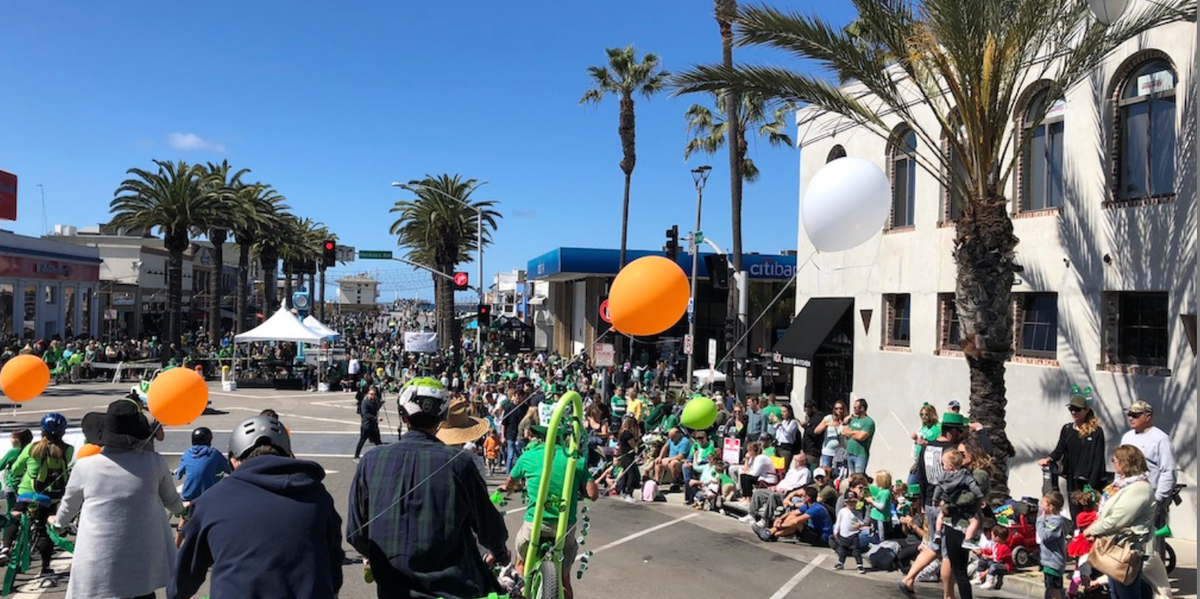

Council supports Planning Commission decision to backtrack on 'failed experiment'

Decision postponed on patio encroachment fees as residents urge support for iconic Hermosa businesses

Homeless update, Outdoor seating fees and controversial developer fee program all on the agenda, together with beach vendor proposals

Mayor follows up his recent State of the City event with a wide-ranging Q&A discussion
By Hermosa, for Hermosa. Join The Review today.