

City Council Eases Land Value Recapture Fees, Aims to Spur Downtown Development
Council supports Planning Commission decision to backtrack on 'failed experiment'
Redevelopment passes council in a new hearing, but with a compromise over in-lieu parking fees.

The Hermosa Beach City Council unanimously approved a plan to add a third story to the century-old building at 901 Hermosa Avenue Monday night, but only after the developer agreed to abandon a controversial proposal to wall off 1,340 square feet to avoid triggering parking requirements.
The project will preserve the 1920's building's distinctive exterior walls while completely rebuilding the interior with modern construction, fire safety systems, and code-compliant stairways. Staff will calculate the final in-lieu parking fee based on actual square footage.
Under Ransford's original plan, 1,340 square feet on the second floor would have been sealed off and prohibited from use—"decommissioned" in planning parlance. That would have allowed the project to claim a net increase of only 793 square feet, safely under the 10 percent threshold that triggers parking requirements.
Councilmembers questioned whether future owners might simply cut a door into the decommissioned space and lease it.
"1,300 square feet at $50 a square foot a year—this is a space that's worth $60,000," Councilmember Michael Keegan noted, echoing concerns raised by Planning Commissioner Pete Hoffman when the project was approved 4-1 in December.
The concept isn't totally without local precedent. In 2019, the council allowed the owners of Vista Restaurant to wall off 744 square feet inside the building in exchange for adding outdoor dining without additional parking. But Mayor Rob Saemann said this case was different.
"Although it will help you keep an older building, I appreciate that, but it allows this development to not provide parking that it should," Saemann said. "And that's another problem that we have in this city—parking."
Before reaching a compromise, councilmembers raised pointed questions about how the building's existing square footage had been calculated in the first place.
Keegan, a former commercial real estate executive and licensed contractor, said he toured the building and found conditions that called the baseline measurements into question. The second floor, he said, featured substandard construction with no fire protection, no sprinklers, illegal stairways without handrails, and what staff described as "movable floors"—sliding platforms that provide access to storage units.
"I've been a building contractor and developer for 52 years. I have never heard of a movable floor," Saemann said. "So if there is such a thing, I'm very interested in why we aren't counting it as floor space. It's the only way to access the storage rooms, movable or not."
Keegan was more blunt: "What I see in the building is illegal construction. I think it's a fire hazard. I think if the fire inspector walked in the building, he'd shut the building down."
Staff said they relied on building permits from 1998 and architectural calculations to determine the existing 12,012 square feet. But Keegan disputed whether those permits reflected actual permitted construction, noting the plans lacked structural engineering details and the as-built conditions didn't match code requirements.
"I don't think there was ever a square footage developed by a permit," Keegan said. "I think the square footage was placed in there by shoddy construction methods and it shouldn't be counted towards the building square footage at all."
Councilmember Raymond Jackson asked whether county tax records showed a different figure. Staff said they don't rely on tax records for permitted floor area, acknowledging the numbers don't always align.
Ransford acknowledged the building's problems but said he inherited them. He described walking the building with the previous building official before purchasing it, seeking clarity on what had been permitted.
"We didn't build anything in this building. We didn't get the permits in 1998," Ransford said. "Everything that is completely substandard is to go. We're here working to clean up this situation."
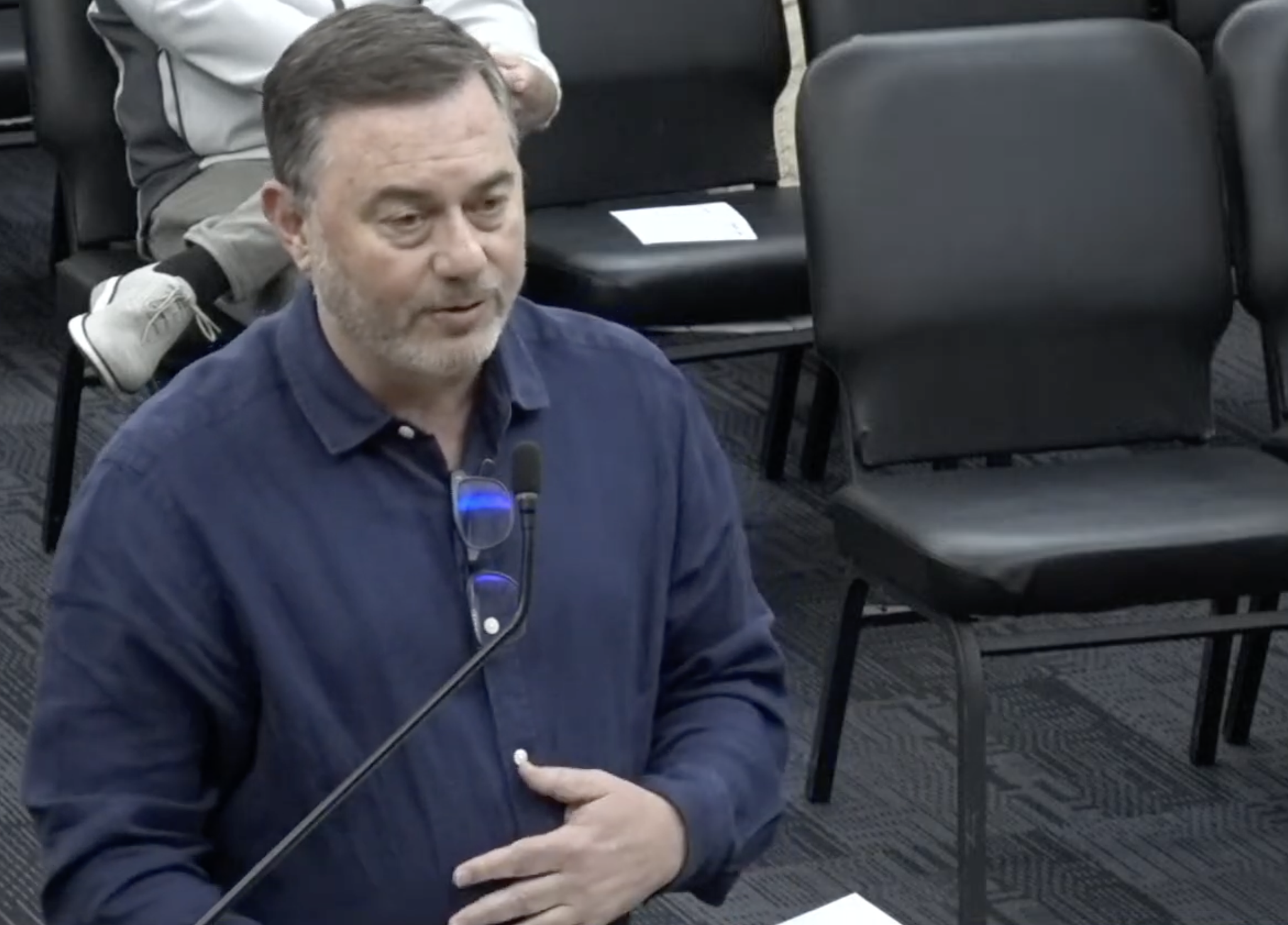
Applicant's representative Brandon Strauss urged the council to approve the project, noting the precedent set by Vista Restaurant's decommissioned space in 2019. But he also issued a warning about what might happen if projects like this don't move forward.
"Some people tell me this city's one lawsuit away from the builder's remedy coming back into effect," Strauss said. "More likely is that a developer would use state law to demolish what's there, build residential or mixed-use, and they'll use whatever state law is available for parking, which may be none."
Strauss has represented a number of past and current projects in the city. One well-connected property owner said this morning "Make no mistake - that was a threat. If the City really wants to play rough, we can play that game too."
The impasse broke when Ransford offered an alternative: count all the square footage and pay in-lieu parking fees for any space exceeding the allowed 110 percent.
"If it was decided that you would prefer to count the decommissioned space and have us pay in lieu for any square footage that it goes in excess," Ransford told the council, "we would be open to that."
Staff estimated the project would require a minimum of seven parking spaces if the decommissioned area and stairways were counted—possibly more once other excluded areas like transformer rooms were factored in.
Saemann made the motion to approve the project with staff calculating the final floor area and required parking, with the developer paying in-lieu fees for any shortfall. The council also required that the second-floor storage areas remain storage in perpetuity—a condition Keegan requested to prevent conversion to higher-intensity office use and the potential impact on surrounding parking.
Ransford told the council his team has been working on the project for four years, submitting plans eight times to various city departments under the previous administration.
"We're really trying to bring forward interesting, special, unique building," Ransford said. "We are trying to save something of the historic nature of the building. It's expensive to do it that way, but our hope is that it will last for another hundred years."
The building at the corner of Hermosa Avenue and 9th Street was constructed in 1928 and currently houses retail on the ground floor and storage on the second floor. The renovation will add a third story with office space, outdoor amenities, and raised gardens, while maintaining retail frontage on Hermosa Avenue and smaller offices along the adjacent walk street.
The vote was 5-0, with Mayor Pro Tem Mike Detoy participating remotely due to illness. The project will return to council for final approval once staff have completed a further analysis of allowable square footage and the resulting parking-in-lieu fees.
 Hermosa Review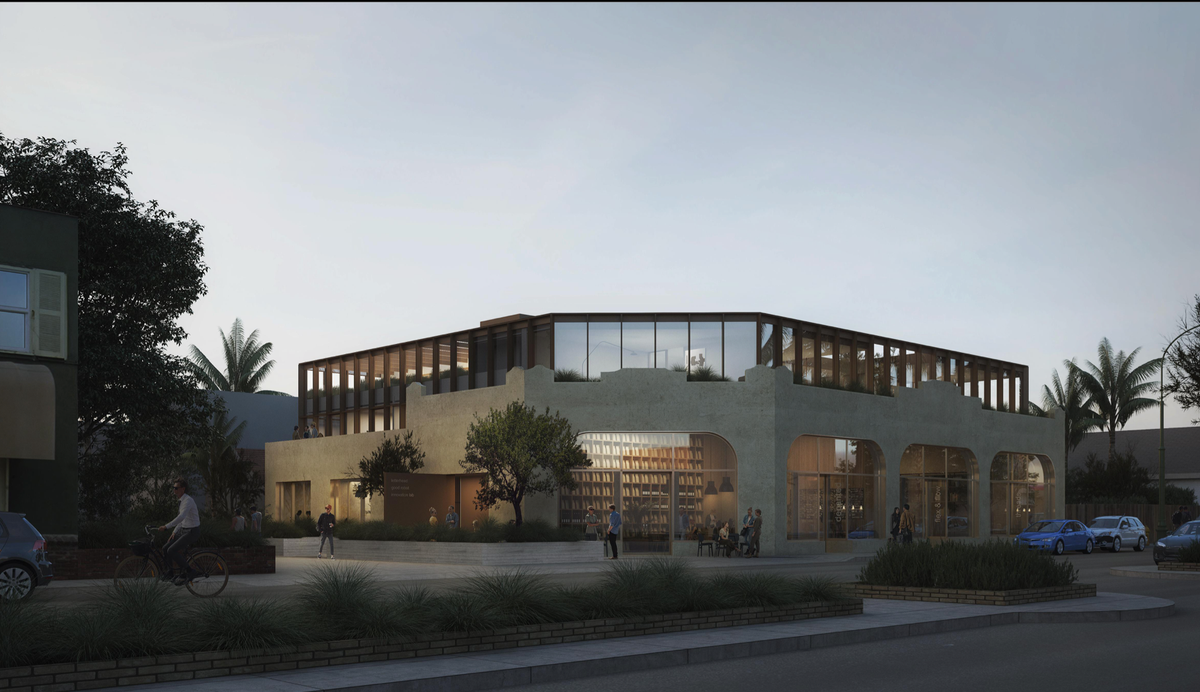
 Hermosa Review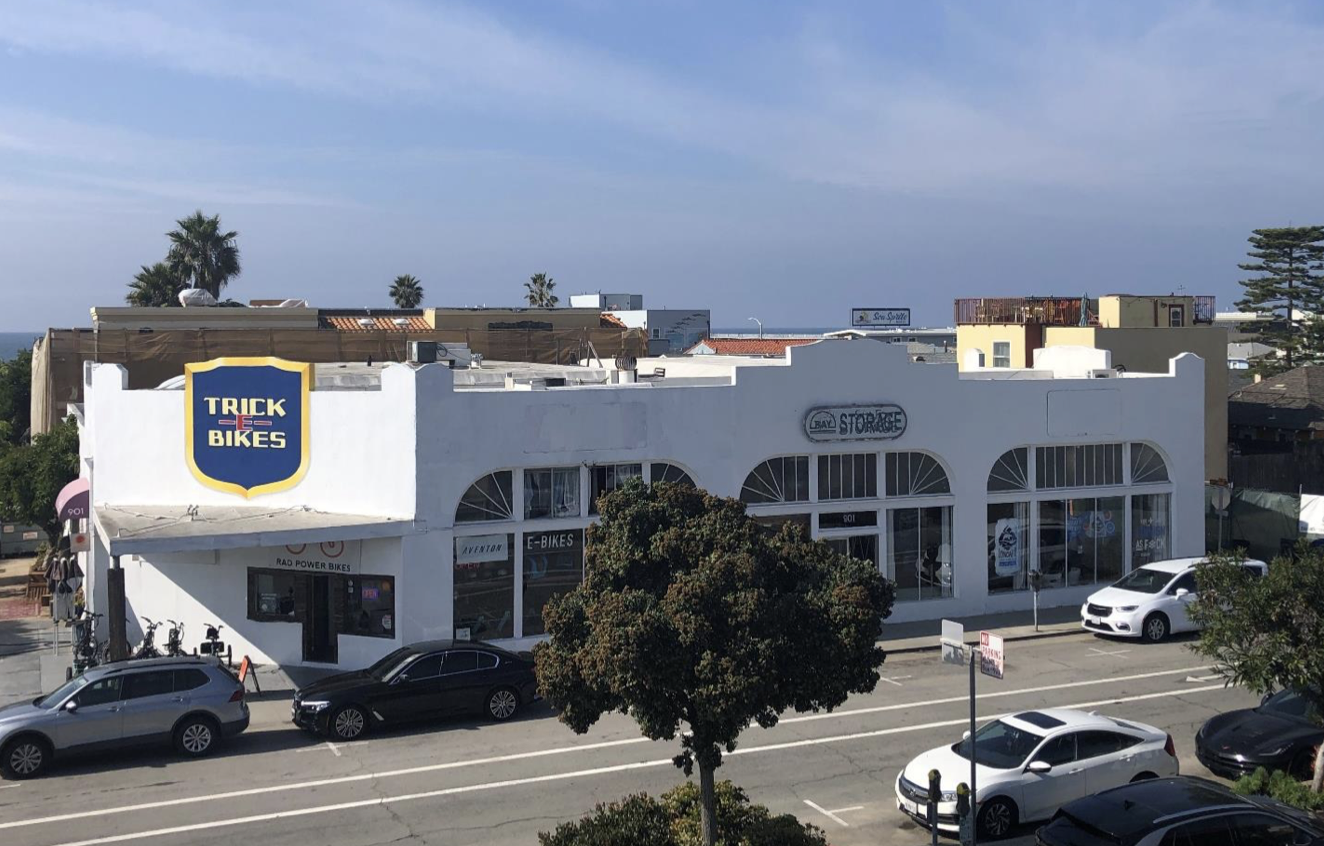

Council supports Planning Commission decision to backtrack on 'failed experiment'

Decision postponed on patio encroachment fees as residents urge support for iconic Hermosa businesses

Homeless update, Outdoor seating fees and controversial developer fee program all on the agenda, together with beach vendor proposals

Mayor follows up his recent State of the City event with a wide-ranging Q&A discussion
By Hermosa, for Hermosa. Join The Review today.